
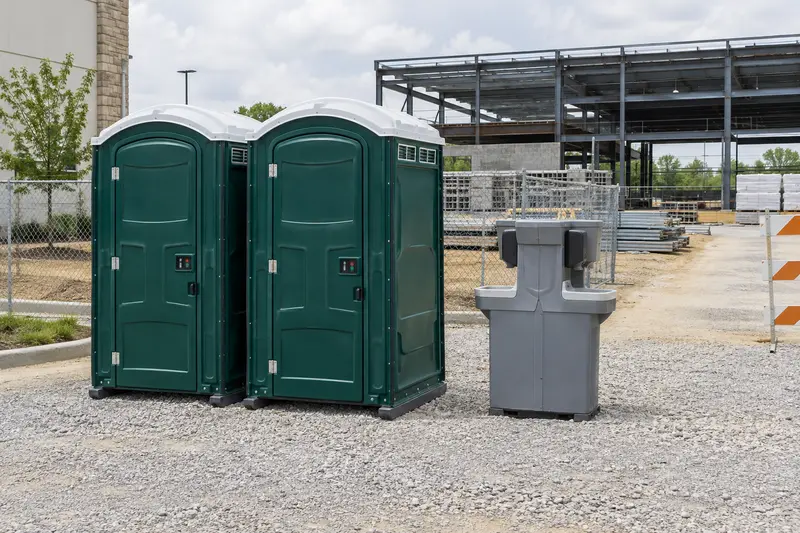
Ask about suitability for the operating environment
Describe temporary sanitation needs through the site’s responsible representative. Include work shifts, restricted areas and receiving procedures without exposing sensitive information publicly. Confirm that the proposed equipment and supplier arrangement fit the job rather than treating a generic cabin category as industrial approval.
Keep visits aligned with site procedures
Review the position, washing and ongoing attention with the facility manager. Explain constraints affecting service vehicles and collection. Any special model or connection requirements need explicit agreement; the website cannot certify an arrangement for an unassessed operation.
Equipment and service details to compare
Keep facilities outside conflicting movements
Review placement with the responsible site representative. Account for loading, vehicle routes, emergency access and the users’ approach. Standard rental equipment is not automatically suitable for hazardous or specialised processes. Have any model-specific or safety requirements reviewed by the appropriate responsible party.
Assign a site coordinator
One contact should manage access, changes and reports of problems. Review cleaning, supplies and waste removal against actual use. If shifts or work areas change, request a review instead of relocating equipment. Arrange an orderly collection handover when the temporary need finishes.